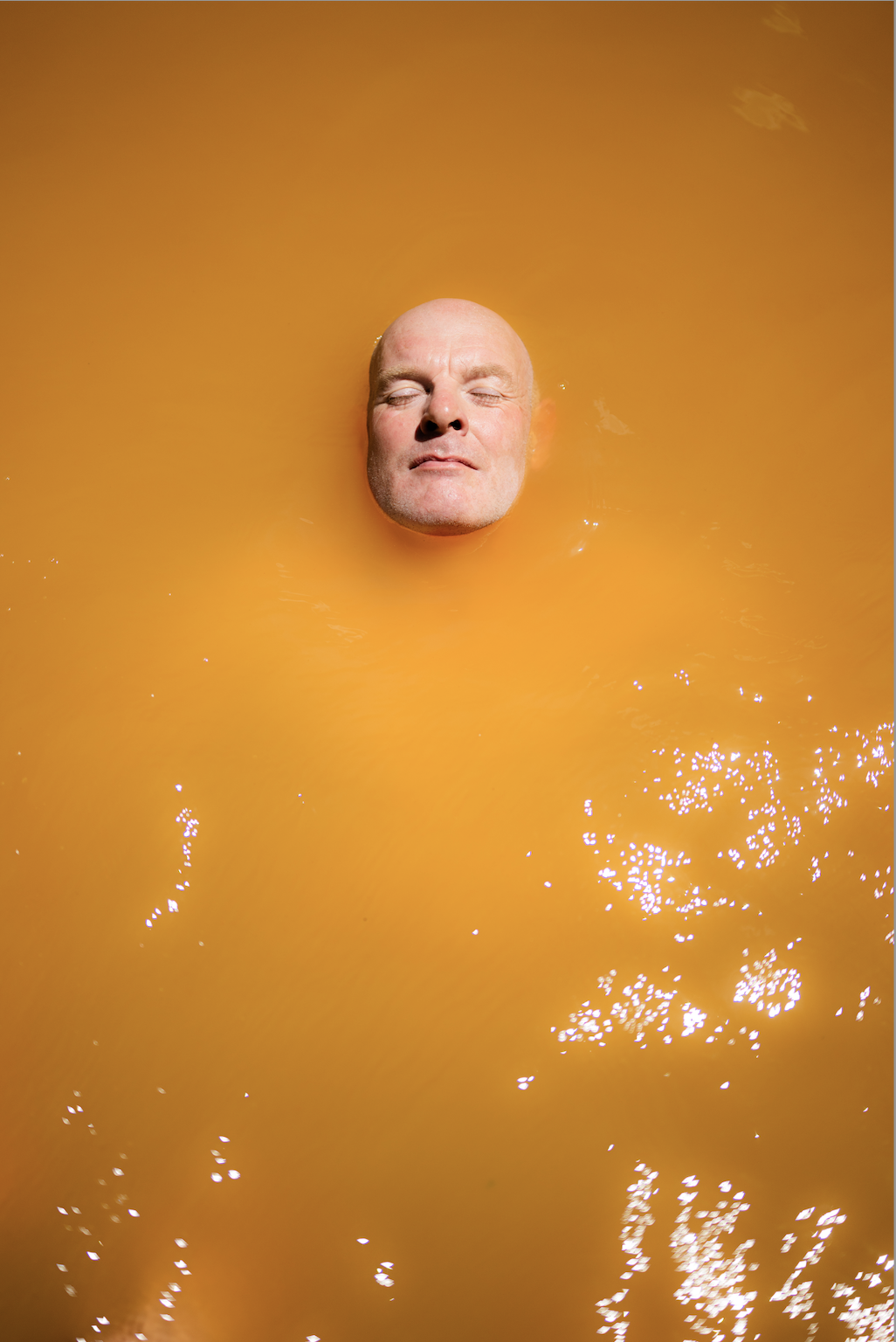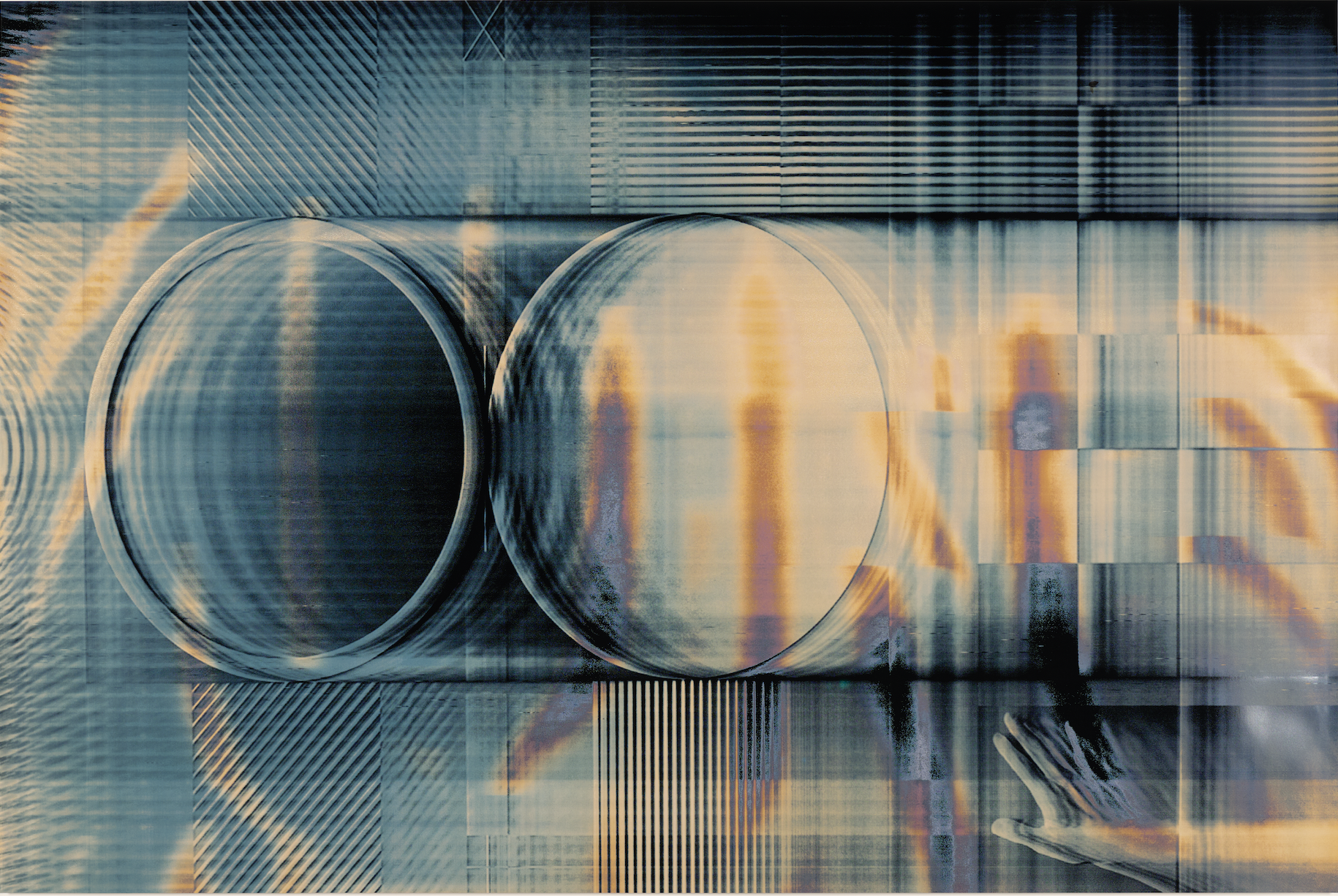
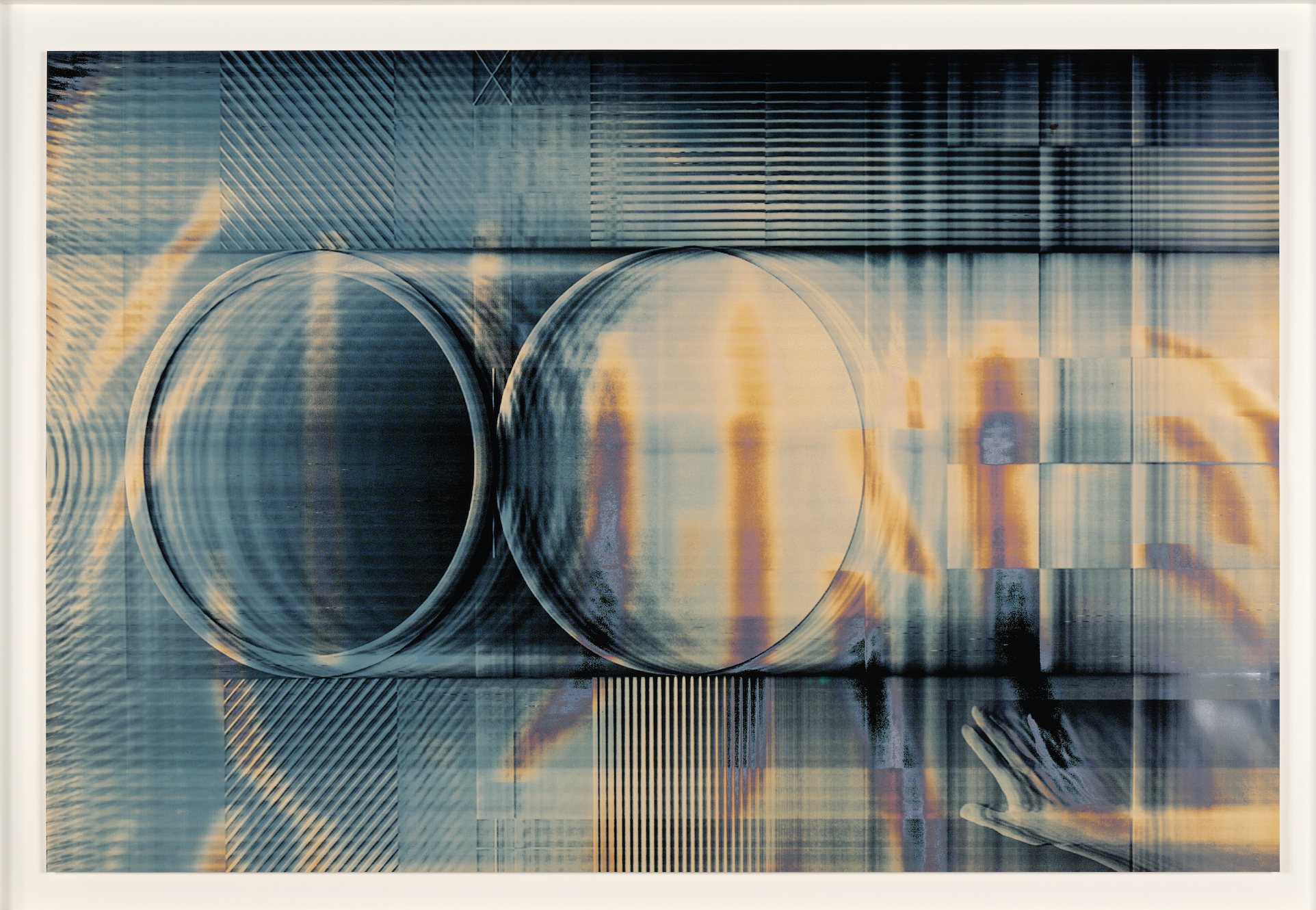
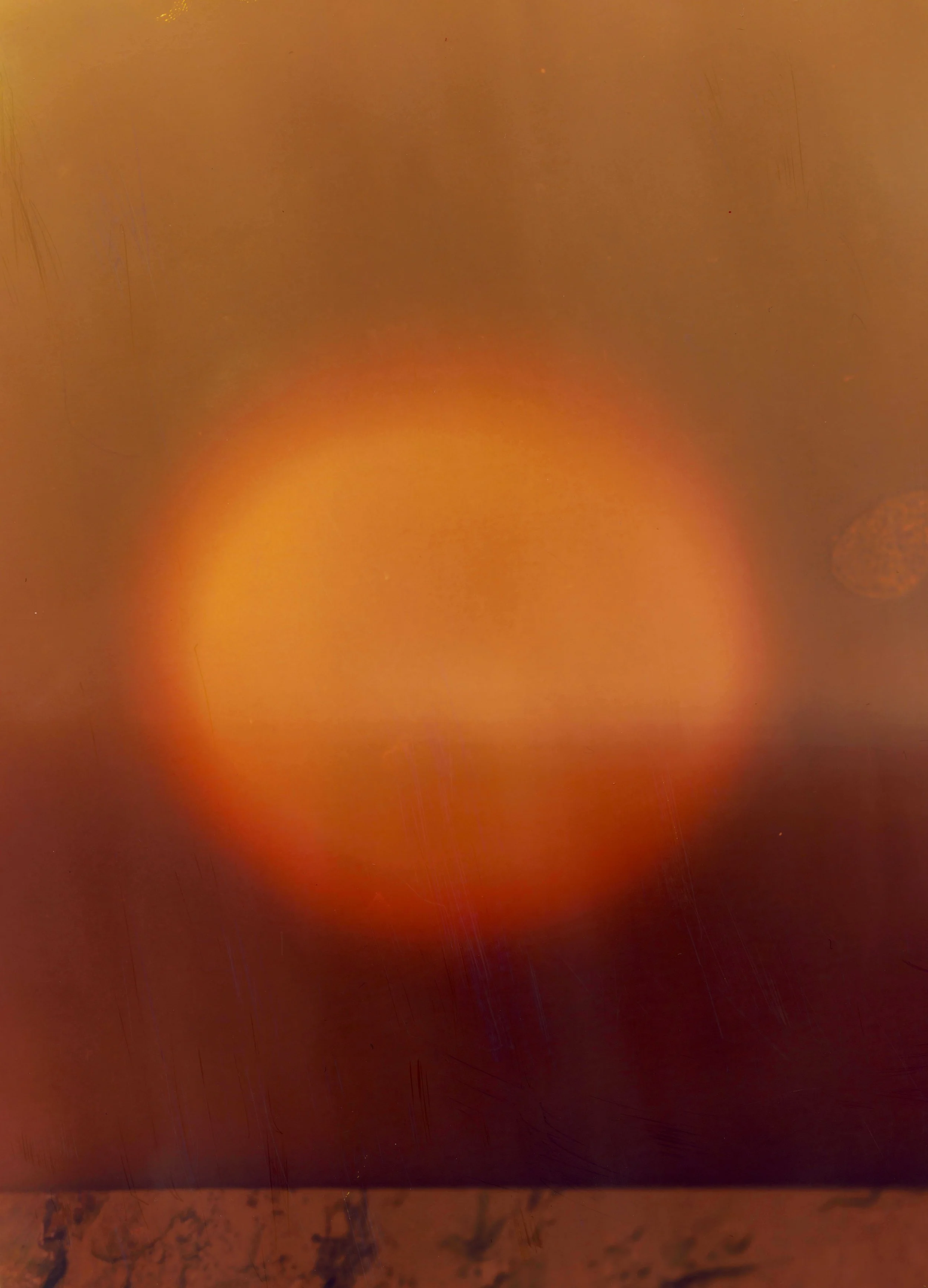
Lucien Bitaux - Redshift (detail), 2026
FNAC 2026-0073
Collection du Centre national des arts plastiques
© ADAGP, Paris, 2026 / Cnap
Crédit photo : Pierre Antoine
Reinventing Photography
18 September — 20 December 2026
A commission from the French National Center for Visual Arts (Cnap), developed in dialogue with Hangar’s open call for projects and supported by the French Embassy in Brussels. This project has been awarded the “Bicentennial of Photography” label by the French Ministry of Culture and is part of the official Bicentennial program running from September 1, 2026, to September 30, 2027.
Reinventing Photography was born from a singular moment: a moment in which photography, on the occasion of the bicentenary of its invention, turns its gaze upon itself once again, questions its own history, and opens new possibilities. By bringing together the fifteen projects commissioned by the Cnap and the five winners of Hangar’s open call, Reinventing Photography forms a remarkably rich body of work. The artistic approaches are as diverse as the backgrounds, stories, and sensibilities that shape them. The exhibition does not claim to encompass all the themes that contemporary photography can address today; rather, it offers a journey—through time, through forms, and through ways of seeing, thinking, and making images. Through these twenty projects, the exhibition proposes not so much an exhaustive survey as a sensitive snapshot of contemporary photography: its concerns, its languages, its tensions, and its possible futures. Beyond national borders, and without seeking to define or oppose a Belgian scene and a French scene, Reinventing Photography brings together artists who are deeply committed both to their practice and to their exploration of the photographic medium.
Each inhabits photography with rigour, freedom, and humility. All seem driven by a shared pursuit: to honour its essence while pushing its boundaries, opening it to new uses, new gestures, and new narratives, without ever diminishing its power or singularity. To speak of the bicentenary of the invention of photography is inevitably to reflect on the time in which we stand. Is it the time of history? The time of creation? The time of the institutions that support artists? Perhaps it is, above all, the time that belongs to art itself: a time that escapes calendars, yet leaves its mark.
Delphine Dumont
Director of Hangar
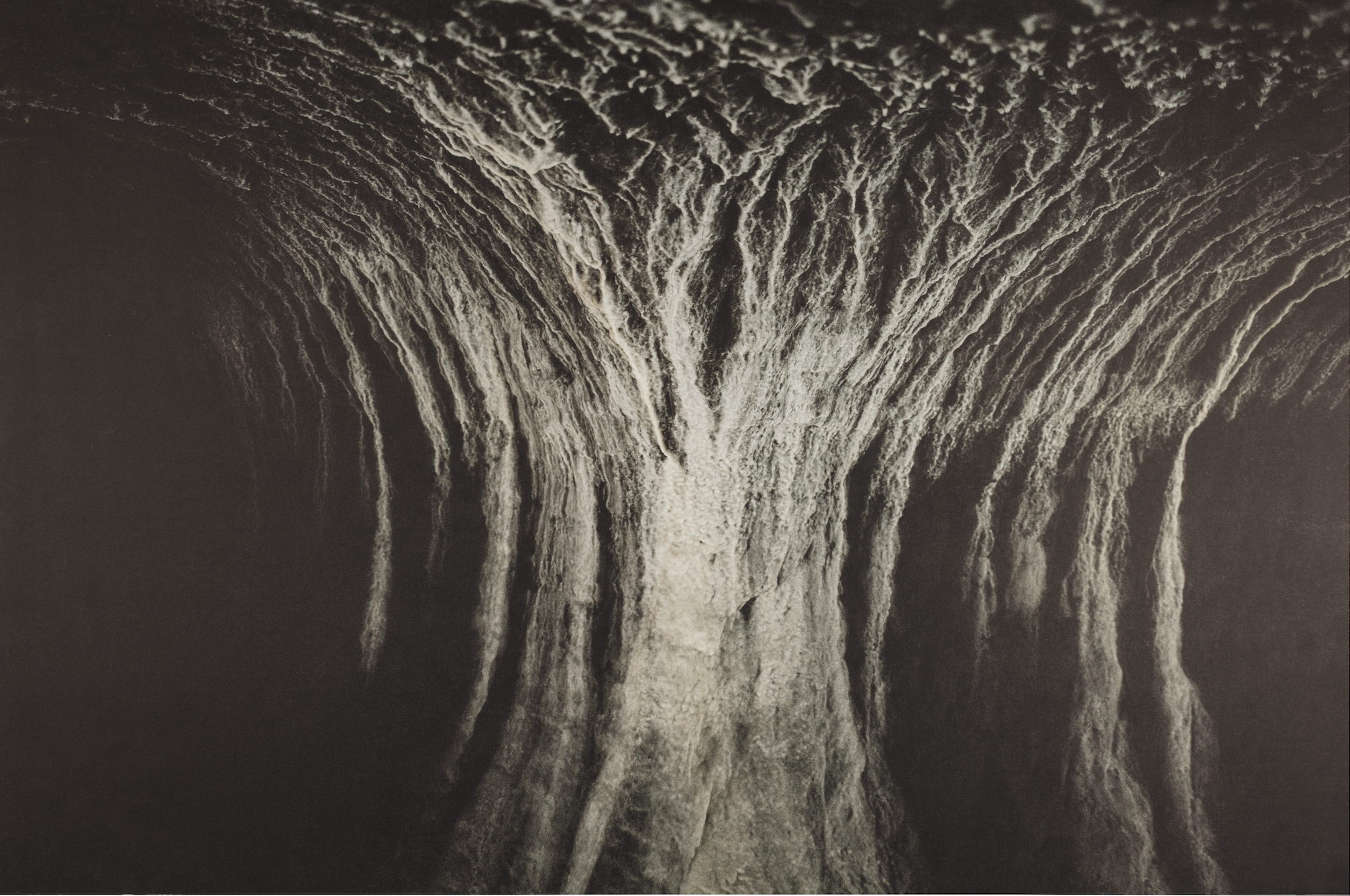
Mali Arun (FR, 1987)
Mondes souterrains, 2026
Mondes souterrains offers an intimate perspective that crosses the boundaries between the body and its environment. This photographic body of work explores themes of caves, interiors, the body, and sexuality, echoing the way we perceive the world when we dream or make love. The project seeks to create an image of flesh and emotion – a liminal image that sometimes eludes us, much like memories and ghosts. Produced using both digital and analogue pinhole photography, as well as medium-format photography, the works reveal chiaroscuro effects reminiscent of certain Baroque painters.
-
La Chambre de Vanda (2000) of the Portuguese filmmaker Pedro Costa (b. 1959), as well as the paintings of Francis Bacon (1909–1992) and Miriam Cahn (b. 1949), serve as important sources of inspiration, particularly through their materiality and their vibrant, soft, and haunting palettes. The exploration of blur is moreover asserting itself as a counterpoint to the relentless pursuit of ever-greater sharpness that so often compels us to close our eyes in everyday life. Other images thus emerge, lingering at the back of the retina, subterranean images, dwelling at the threshold of dreams.
François Bellabas (FR, 1989)
Embedded Presence, 2026
Embedded Presence is an interactive photographic installation. François Bellabas trained an algorithm to generate a computational double of himself. The work takes the form of a monolith: a computer as its central organ, a life-sized screen, and a continuous soundscape punctuated by sounds triggered by the images themselves. The screen reveals a moving abstract substance within which the embryo of the artist’s double is encoded. At its origin lies a model trained on images of François Bellabas sleeping in the phones of those close to him – a latent memory accumulated over the years.
-
With Embedded Presence, the artist intercepts the process of generation itself, at the moment when the clone is still taking shape, capturing a raw material that emerges as fleeting volumes and brief scenes. Our images, having become fuel for machines, are processed according to foreign temporalities. Against this flow, François Bellabas proposes a reversal: a dissonant double finds within the artwork a space in which to take form. The longer visitors linger in front ot the work, the more the material reorganises itself, the more scenes return in altered variations. In return, they are confronted by that which gazes back at them.
Lucien Bitaux (FR, 1995)
Redshift, 2026
Extending Lucien Bitaux’s doctoral research on the mineral condition of photography, Redshift proposes a stripping away of the image, reducing it to its most elementary state: an unstable flow within a circuit of vast, usually invisible cables. By making the trajectory of information perceptible through metal modules, and by observing real-time alterations in the image, the work situates photography within an industrial and capitalist framework, echoing the global infrastructures that today sustain the massive circulation of visual and monetary data.
-
The image is no longer fixed – as the French inventor Nicéphore Niépce once achieved – but transmitted: the apparatus becomes the witness of a continuous flow, tracing a line from early photography to the digital image. This passage from the visible to the invisible, and then from immateriality to a new form of materiality, opens a critical space: that of an ecology of photography where extraction, transformation, and dissemination intersect. With its deliberately rudimentary and absurd form, Redshift is a paradoxical instrument born from an experimental gesture. It is suspended between artistic commitment and voluntary technical regression, between decline and homage to photographic technologies.
Marie Bovo (ES, 1967)
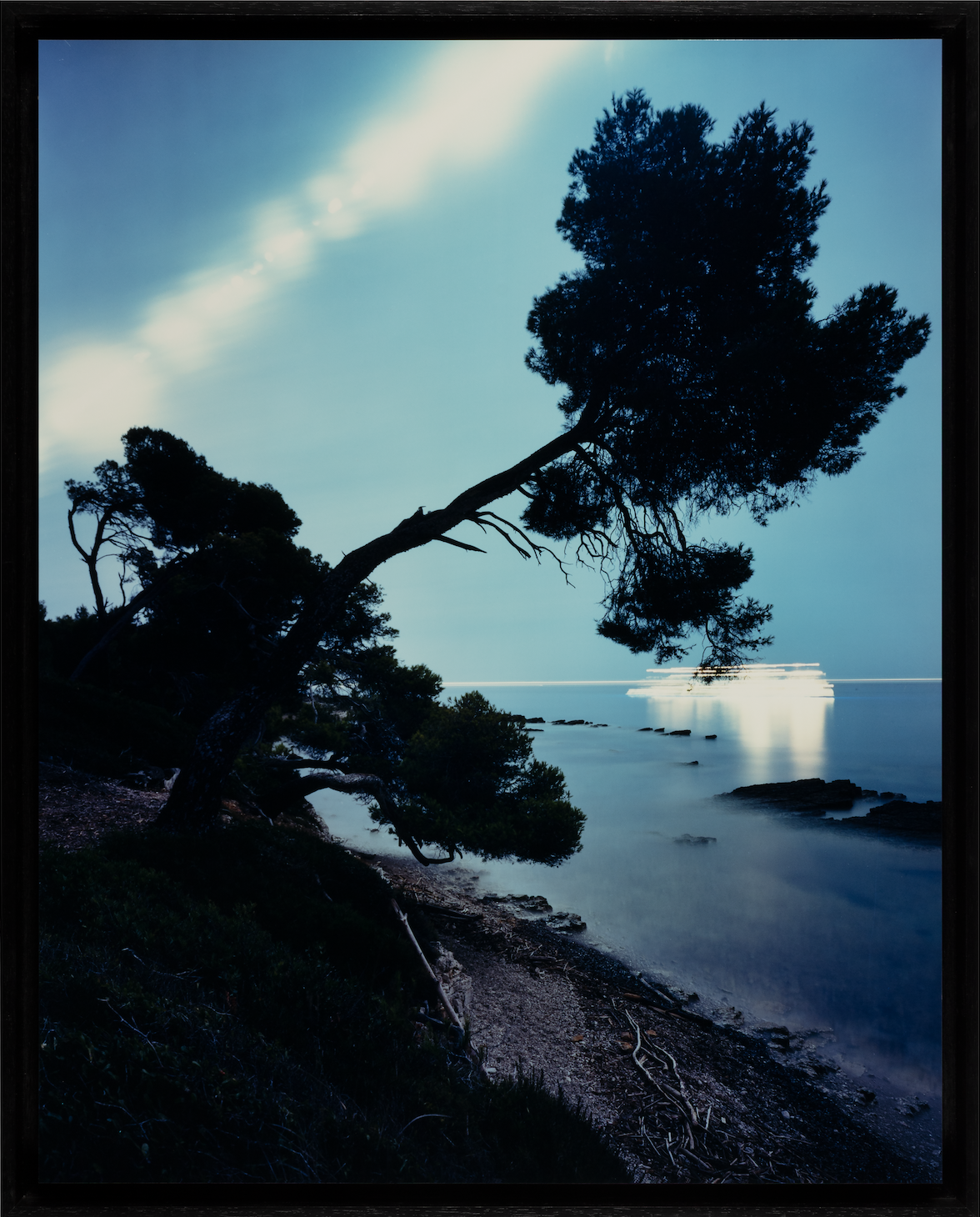
Les Forêts d’Hypnos, chapitre II, 2026
Sainte-Marguerite et Sainte-Salsa de Tipaza
Les Forêts d’Hypnos is a long-term photographic investigation into the night, using no light other than natural moonlight. The project stems from a desire to reinterpret the landscape of contemporary Mediterranean forests – one of the richest regions in popular unifying myths, yet among the most divided from economic, political, and social perspectives. An initial chapter is documenting the nocturnal dimension of forest landscapes between Nice and Marseille. The second chapter unfolds across two shores of the Mediterranean: the mimosa forests of the Tanneron massif facing the Île Sainte-Marguerite (Alpes-Maritimes, France), then the island itself – a forested, uninhabited territory marked by its history as a site of imprisonment and deportation – and finally the hills of Tipaza in Algeria.
-
On Île Sainte-Marguerite, vegetation now covers ancient burial sites (including Muslim graves dating from the early period of French colonisation in Algeria), while the night sky is crossed by the trajectories of planes and satellites. In Tipaza, the forest intertwines with ancient pagan and Christian tombs, while fishing boats trace the horizon with nocturnal fishing activity. The images are produced using a view camera in colour negative and involve exposure times of up to nine hours. The photographs display thus still condensations of movement, perceptible only through duration. Marie Bovo’s nocturnal landscapes engage with pressing contemporary issues shaped by multiplying crises. These photographs embody a dual gaze on the world that transforms a simple, singular situation into the expression of a universal dimension – where past and present converge, and where different cultures, particularly those of the Mediterranean world, are interconnected.
Anne-Lise Broyer (FR, 1975)
Une fenêtre qui s’ouvrit comme une orange, 2026
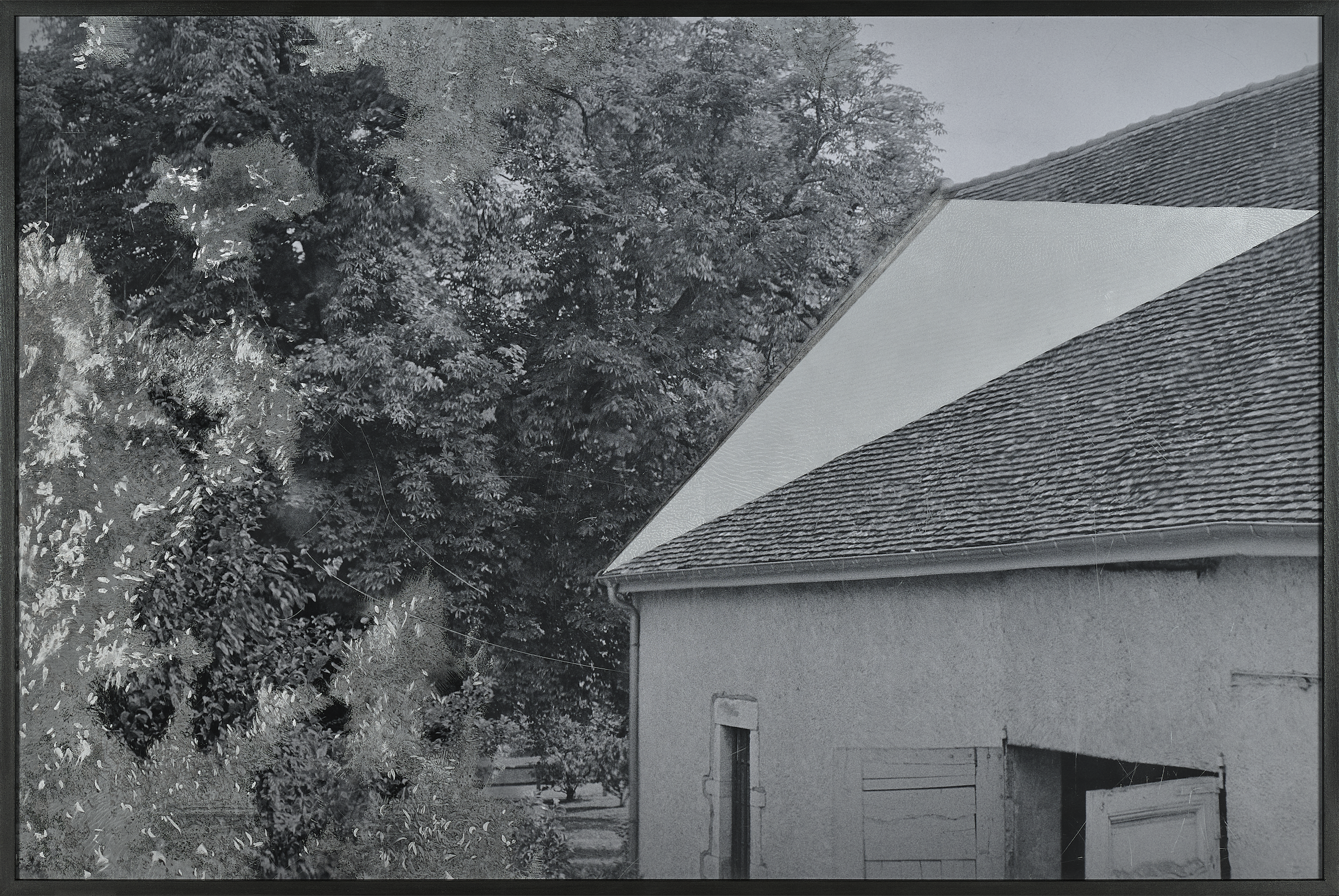
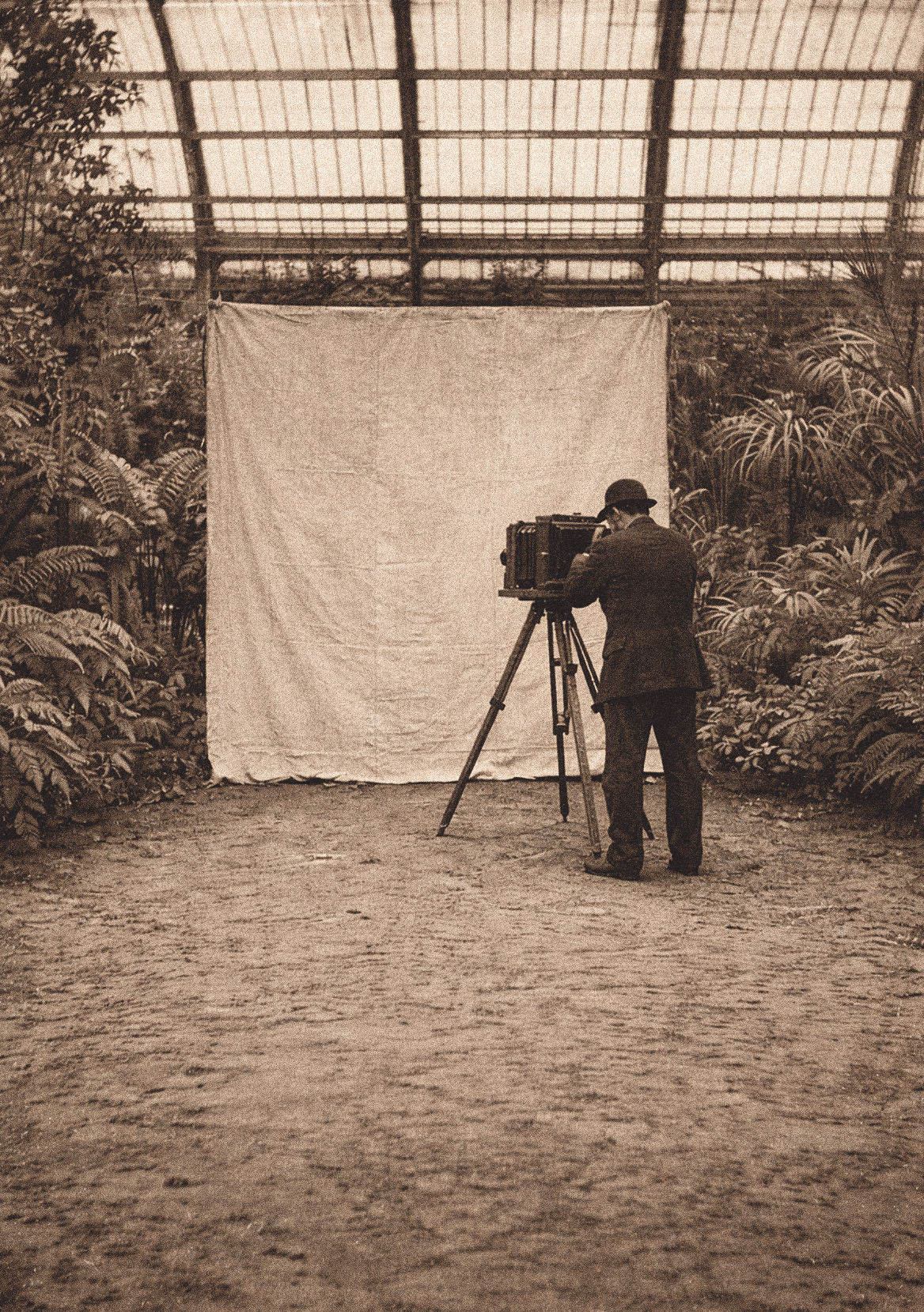
Une fenêtre qui s’ouvrit comme une orange is a formal and historical exploration of the birth of photography, conceived as a language in the process of being invented. Anne-Lise Broyer attempts to retrace the technical history of photography through a sequence of gestures, situated in a back-and-forth movement between the discovery of processes and the words used to describe them. The photographs in this body of work are produced within a specific geographic area in eastern France. The artist has explored the sites of photography’s invention – places near where she grew up: Saint-Loup-de-Varennes, where the French inventor Nicéphore Niépce (1765-1833) produced the Point de vue du Gras in 1826-1827, the first photograph, and Seyssel-Pyrimont, the origin of the chemical components used in this early image.
-
The artist’s actions on these images alsow reactivate this primordial memory of photography. Anne-Lise Broyer works directly on analogue prints, drawing on them or enhancing them with etching or aquatint. The viewer’s perception is disrupted by the light reflected in the gloss of the drawn marks, which animate the relief of the image. These highlights invert tonal values and recall a time when each image was simultaneously negative, positive, and mirror – when the techniques of drawing, engraving, and photography evolved in parallel. In this way, Anne-Lise Broyer creates visual situations that continuously refer back to the photographic image and its technical history.
Julie Calbert (BE, 1985)
Atlas des métamorphoses, 2025-2026
Atlas des Métamorphoses is the result of a research project that approaches photography through its materials and their transformations. In this work, Julie Calbert examines photography as a space of documentary fiction, where the image appears as a fragment of evidence – an extract from a process of transformation, whether real or imagined. The images are produced from chemical residues of analogue photography, reintroduced into the laboratory and set back into circulation. On the surface, phenomena of formation, propagation, and degradation emerge, revealing dynamics of saturation, alteration, and material flow. At this scale, the forms evoke unstable cartographies – states in the process of becoming.
-
Through darkroom manipulations and chemical interventions, Julie Calbert subtly redirects these processes, occasionally leaving a trace within the image itself. Engravings on mirrors, made from images of stones, sediments, and other materials, extend the logic of the sample that runs throughout the research. The whole is structured as an atlas: each image corresponds to a specific situation, and their relationships reveal variations. An open and evolving constellation of images and materials, the work evolves continuously through experimentation and exhibition contexts.
Gaëlle Choisne (FR, 1985)
Et si les mots ne suffisent plus à te décrire, ma chérie, 2026
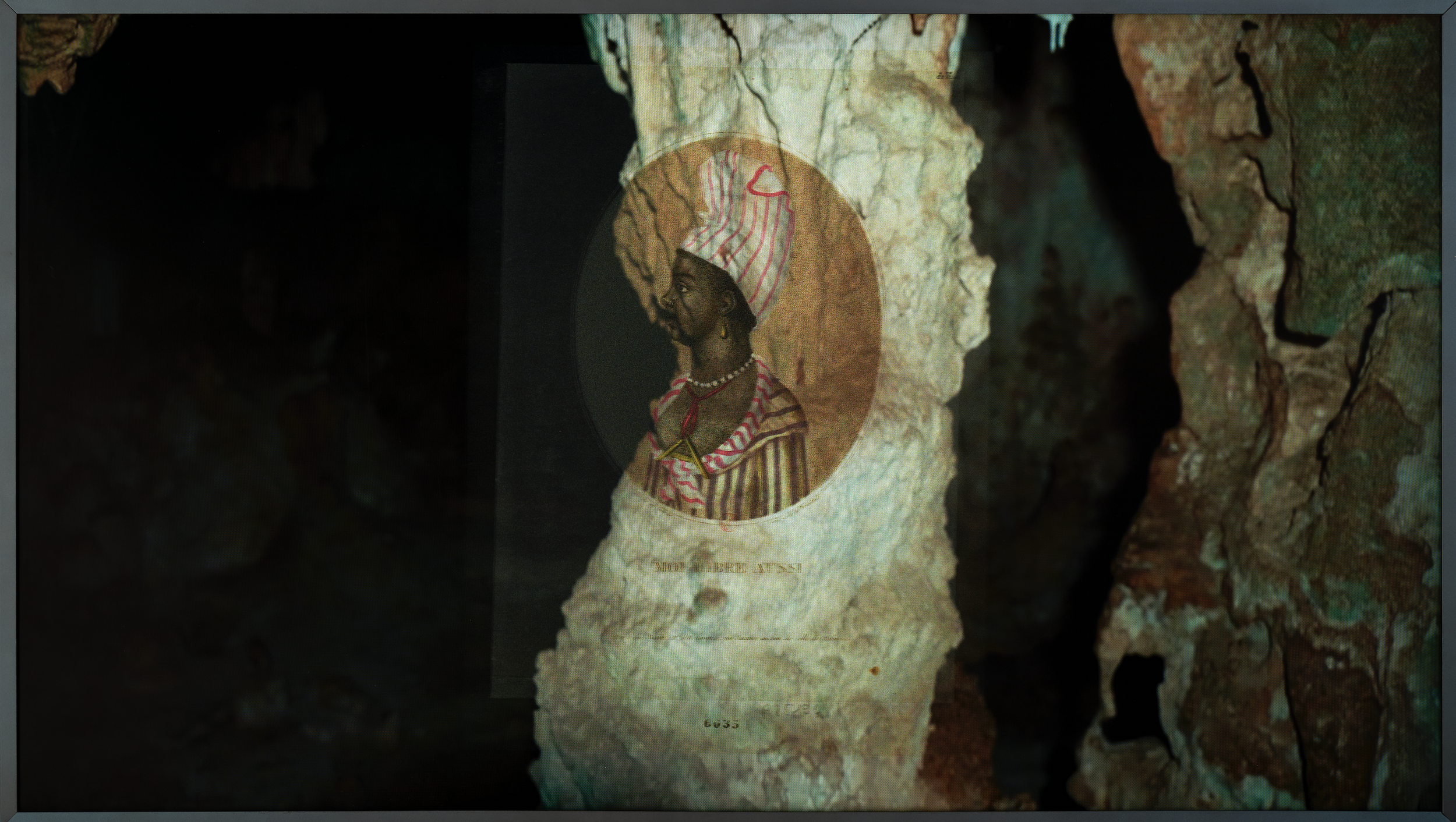
With Et si les mots ne suffisent plus à te décrire, ma chérie, Gaëlle Choisne examines Haitian colonial history by confronting still images from the past and contemporary moving images. This dual temporality questions the slow pace of social transformation, resistance to postcolonial change, and the ways in which history continues to shape contemporary perception. The artist juxtaposes digital videos shot in Haiti with a fixed UV print derived from archival material from the Bibliothèque nationale de France (BnF), bearing witness to a colonial history that has often been obscured.
-
Traces of the colonial past resonate with living images, creating a tension between written and visual narratives. Attentive to contemporary issues, Gaëlle Choisne’s practice interrogates the complexity of the world and its political and cultural disorder – whether it be the overexploitation of nature and its resources or the remnants of colonial history, where Creole esoteric traditions, myths, and popular cultures intertwine. By foregrounding the relationships between Haiti and France, Et si les mots ne suffisent plus à te décrire, ma chérie offers a reflection on the role of images in the transmission of history.
Sybil Coovi Handemagnon (FR, 1988)
Archives sans cibles SENSIBLES, 2026
Archives sans cibles SENSIBLES is a photo-sculptural installation that questions different types of archives – personal and official. Sybil Coovi Handemagnon invits us to consider how we touch images and how we are, in turn, touched by them. The body of work is built around eighteen portraits of the “Africans of the Kingdom of Dahomey”, made by Prince Roland Bonaparte (1858-1924) during the 1891 Exposition in Paris. The emergence of photography during the colonial period led to the formation of ethnological and anthropological portrait collections that remain deeply embedded in the colonial history of Western museums.
-
Sybil Coovi Handemagnon refuses to reproduce this logic. Through gestures of erasure and processes of transparency, she explores history beyond institutional frameworks, highlighting the impossibility of anthropological representation and allowing spectral presences to emerge – presences that photography captures without ever fully naming or accessing. To these institutional archives are added family photographs as well as images generated by artificial intelligence. These three bodies of work intersect and disrupt one another, remaining traversed by bodies, gestures, and presences. Materiality plays with transparency and opacity. Through plaster hand imprints, archival fragments on silk, textured paper, glass photographic plates using silver gelatin, and aluminium supports, what matters is not so much what is shown, but how these images resist the gaze – and, look back at us as well.
Isabelle Giovacchini (FR, 1982)
Révélations et réalités, 2026
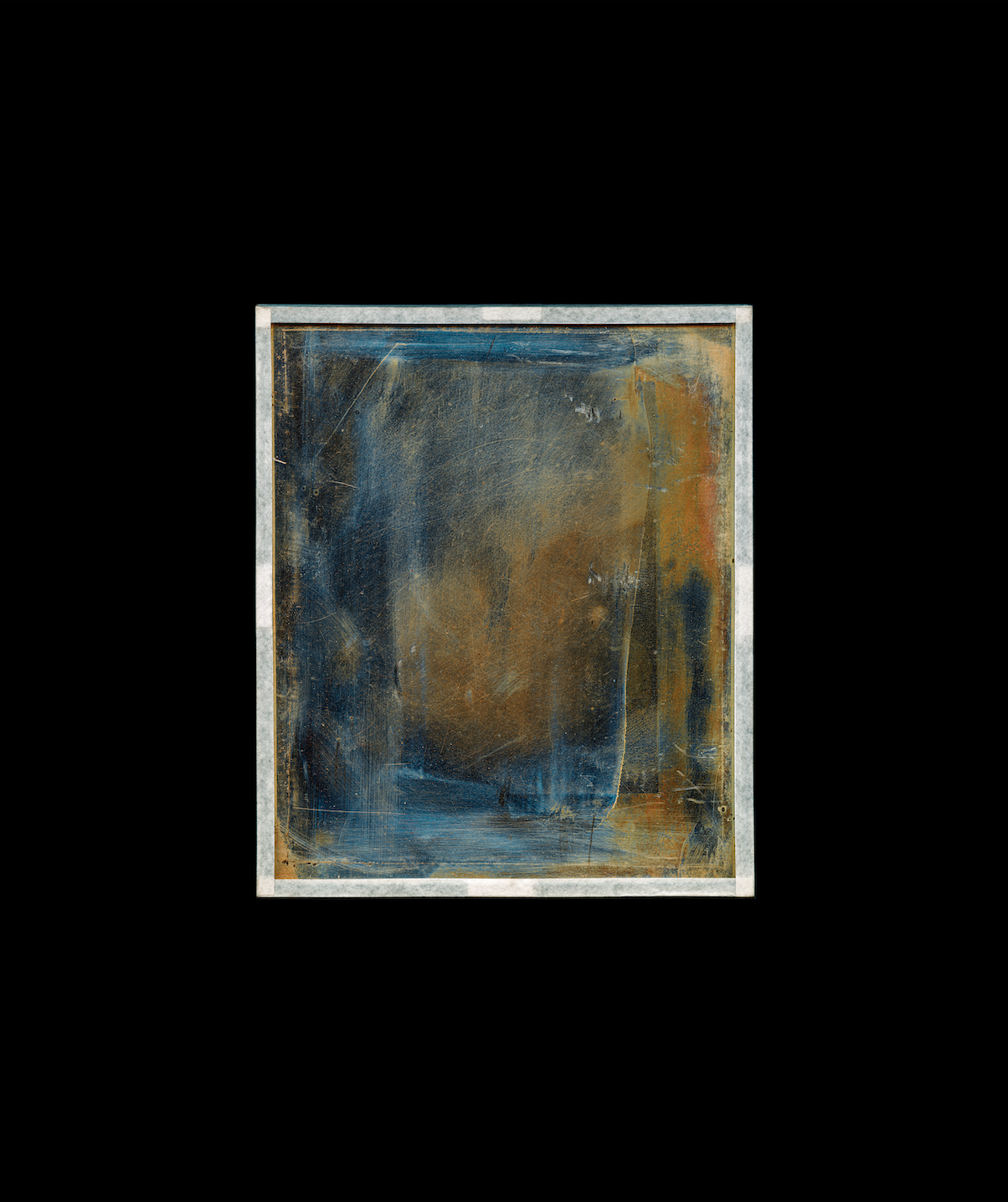
What does the image of a reflection look like? To address this enigmatic question, Isabelle Giovacchini drew from the collections of the Musée Nicéphore Niépce (Chalon-sur-Saône, France), searching for pioneering photographic supports from the history of early inventions that have become invisible over time. She first selected an heliograph produced by the french inventor Nicéphore Niépce, as well as four daguerreotype plates (Révélations). To reproduce them, the artist used the museum’s laboratory scanner with its lid open, in darkness. Blinded by its own light reflected off the mirror-like surfaces of these objects, the scanner rendered empty or intact areas in black, while translating degraded zones into colours and forms invisible to the naked eye.
-
The artist then selected a set of nitrate and cellulose triacetate negatives, materials destined to disappear. She reproduced them by exposing them to a play of reflections and lighting during the photographic process (Réalités). The resulting images are produced as pigment prints. By bringing historical plates into dialogue with anonymous, deteriorating negatives, Isabelle Giovacchini proposes another way of looking at the photographic act. Her experiments reveal, almost magically, phenomenological images emerging from dormant archives.
Laurent Lafolie (FR, 1963)
La Réaction noire, 2026
De l’image photographique à l’image mentale
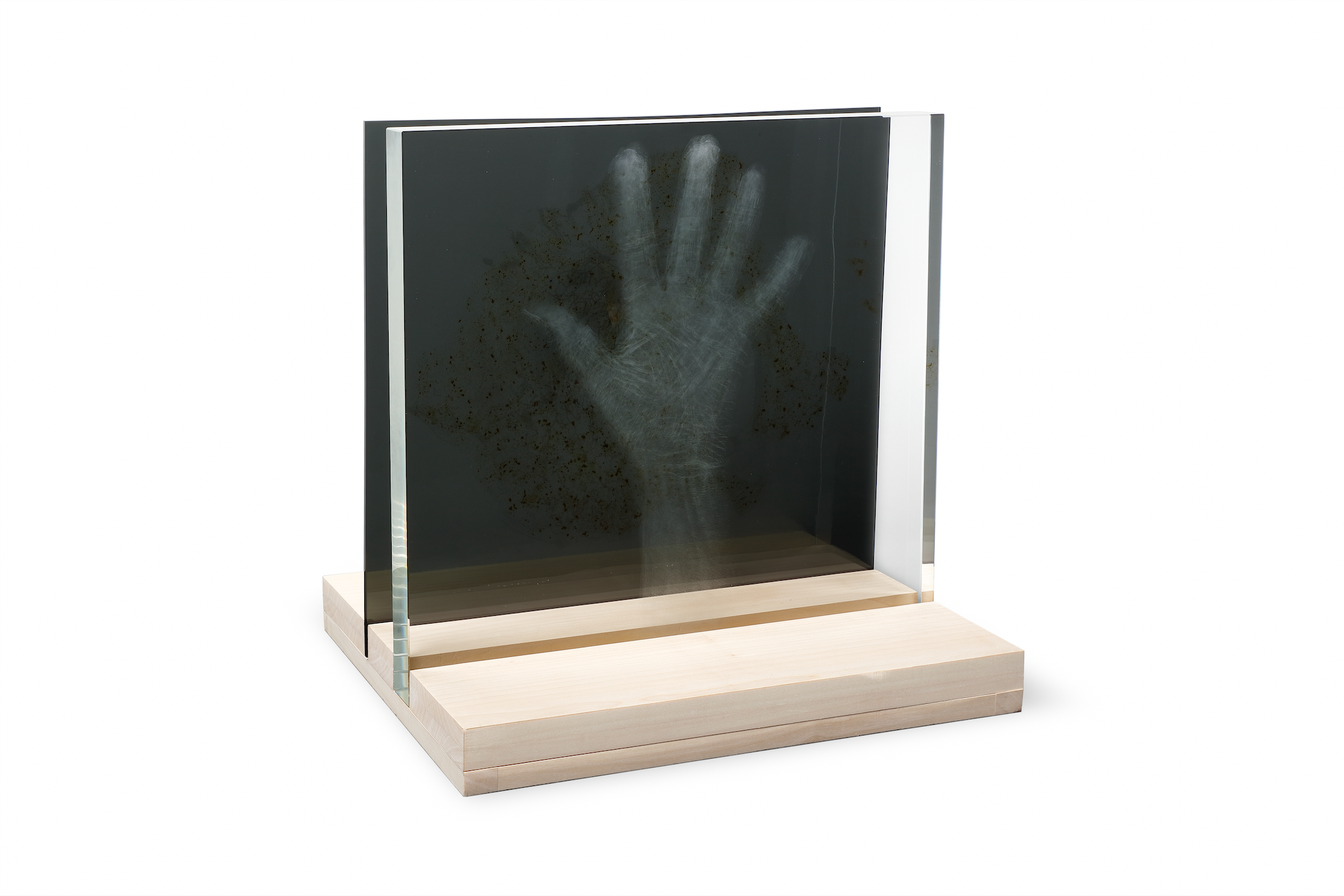
La Réaction noire explores the parallel between the process that enables the emergence of pre-digital photographic images and the technique used in biology to reveal the mechanics of the neural system, the substrate of our mental images. Both arise from a similar chemical reaction, which the artist reproduces to form a single object – a kind of mental view. The existence of images of neurons and synapses is made possible by the so-called black reaction, a scientific method developed by Camillo Golgi (1842–1926) and further refined by Santiago Ramón y Cajal (1852–1934).
-
This process is based on the use of two essential ingredients in the history of photography, as it involves impregnating nervous tissue with silver salts and potassium bichromate, whose darkening reveals the full structure of neurons. In this sense, it is similar to photographic development, since photography itself emerges from the action of light on these same substances, producing a blackening effect. For this work, Laurent Lafolie connects symbolic, evocative figures engraved in crystal blocks with images of this black reaction at the nanoscale, obtained at the Institut Interdisciplinaire de Neurosciences (IINS, Bordeaux, France) by researchers Ingrid Chamma and Vincent Studer. The supports of these laser-engraved glass images evoke both the history of photography and the microscope slides and coverslips used in scientific practice.
Lucas Leffler (BE, 1993)
Projet Sandbox, 2026
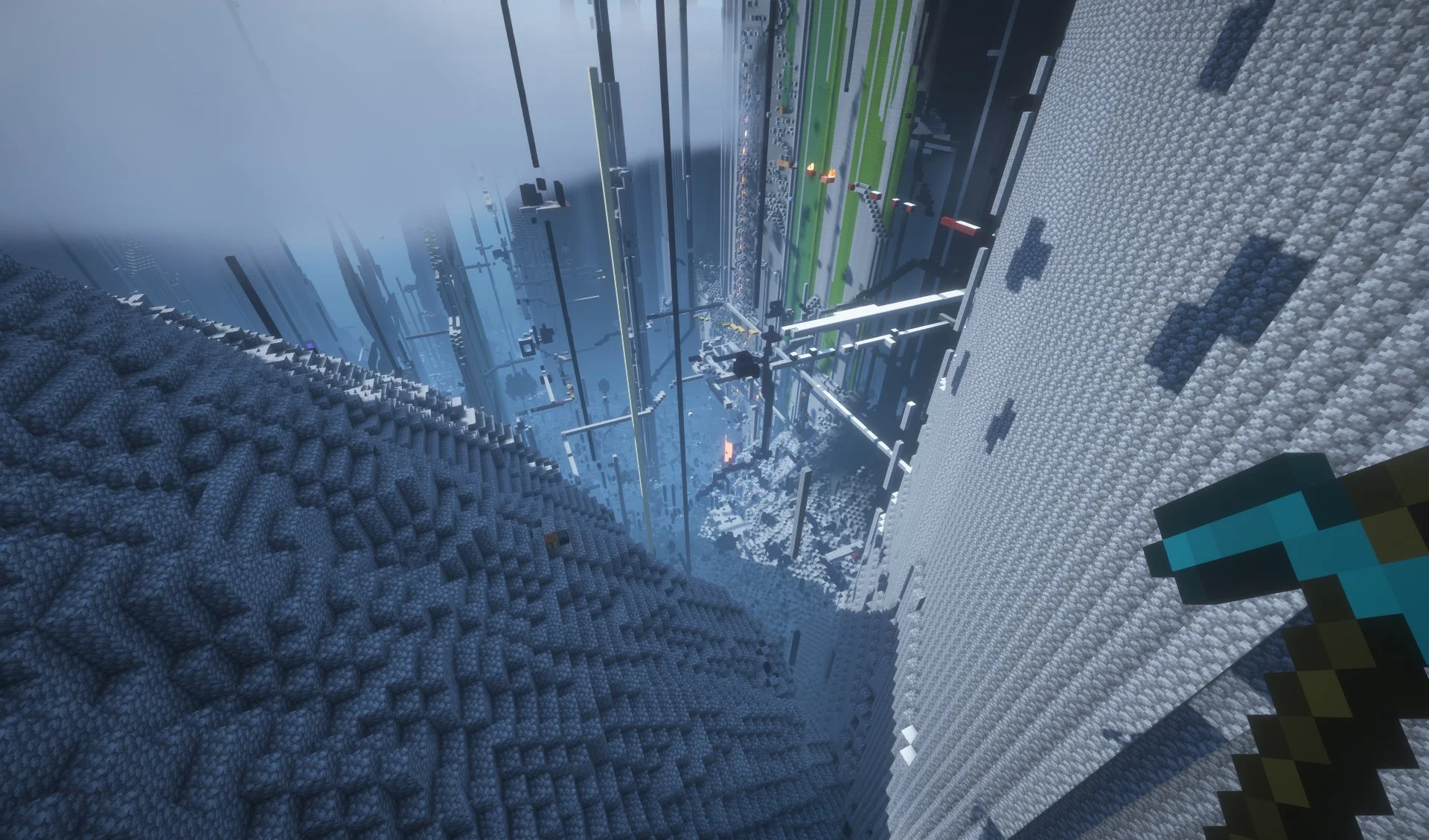
Projet Sandbox seeks to examine the relationships between the human species, technology, and its environment by exploring ruined landscapes emerging from anarchic servers of the video game Minecraft. These virtual territories, profoundly transformed by the intensive activity of thousands of players over several years, have the particularity of never having been reset. Over time, these servers have become living archives in constant transformation. Lucas Leffler thus revisits the iconography of catastrophe – of the “aftermath” in photography – combining it with more contemporary practices drawn from archaeogaming, the study of the traces, remains, and historical layers of video games, and from digital urbex, the exploration of abandoned or forgotten digital spaces.
-
Beyond the aesthetics of ruin, the project also seeks a form of human poetry within these spaces, where strong dynamics of self-organisation and mutual aid often emerge. The exploration of these virtual worlds, scarred by hyperactivity, resonates with the extractivist dimension of our societies, as in Minecraft, an ostensibly innocent game, extraction becomes a creative process. These environments invite us to consider the organic worlds we inhabit as nothing more than a vast sandbox in which human creativity unfolds without limits. Initially approached through a purely documentary lens, the artist navigated these virtual spaces by collecting photographic, filmic, and sound recordings. The project thus offers a traversal of digital ruins where contemporary tensions between creation, exploitation, memory, and collapse are re-enacted through the medium of video games.
Archive du sensible, 2025-2026
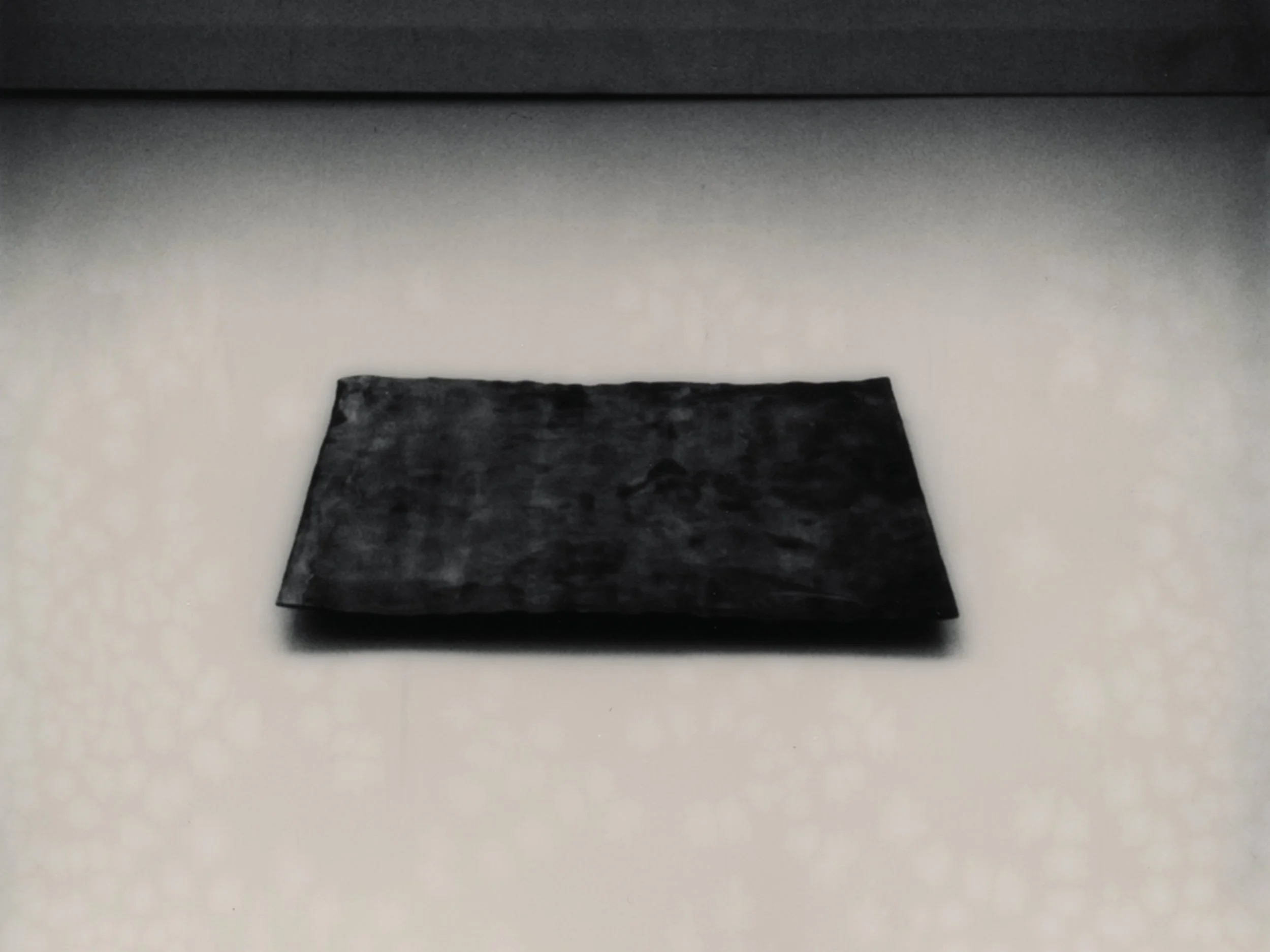
Archive du sensible emerges at a pivotal moment in the history of photography, marked by the disappearance of analogue supports. During his Entre deux project in 2023-2024, Louis Lekien discovered the production shutdown of large-format photosensitive papers, revealing a loss that is simultaneously technical, material, and tied to embodied know-how. The artist then succeeded in acquiring, from Diamantino Quintas, a historic master printer, the last remaining sheet of paper of this format, which became the core of Archive du sensible and symbolises both the end of an era and the memory of a medium in transformation.
-
To preserve this fragile fragment, the artist encases it in a custom-made lead box, a dense material capable of shielding it from light and radiation, turning the container into an ideal form of archival device. Inside rests a photosensitive sheet that will never produce an image, yet contains, in potential, all possible images. The sealing of the box, carried out in a darkroom in the presence of a bailiff, becomes an irreversible and solemn artistic gesture: once sealed, the box is simultaneously protection and secret, containing an inaccessible sensitive material. This tension between preservation and invisibility lies at the heart of the work. The box evokes both a minimal sculpture and a body protecting its own intimacy. More than a celebration of the past, Archive du sensible questions the disappearance of photographic supports and the need to invent new gestures, proposing a reflection on the vitality of a medium in constant reinvention.
Laurent Millet (FR, 1968)
Les Nuées, 2025
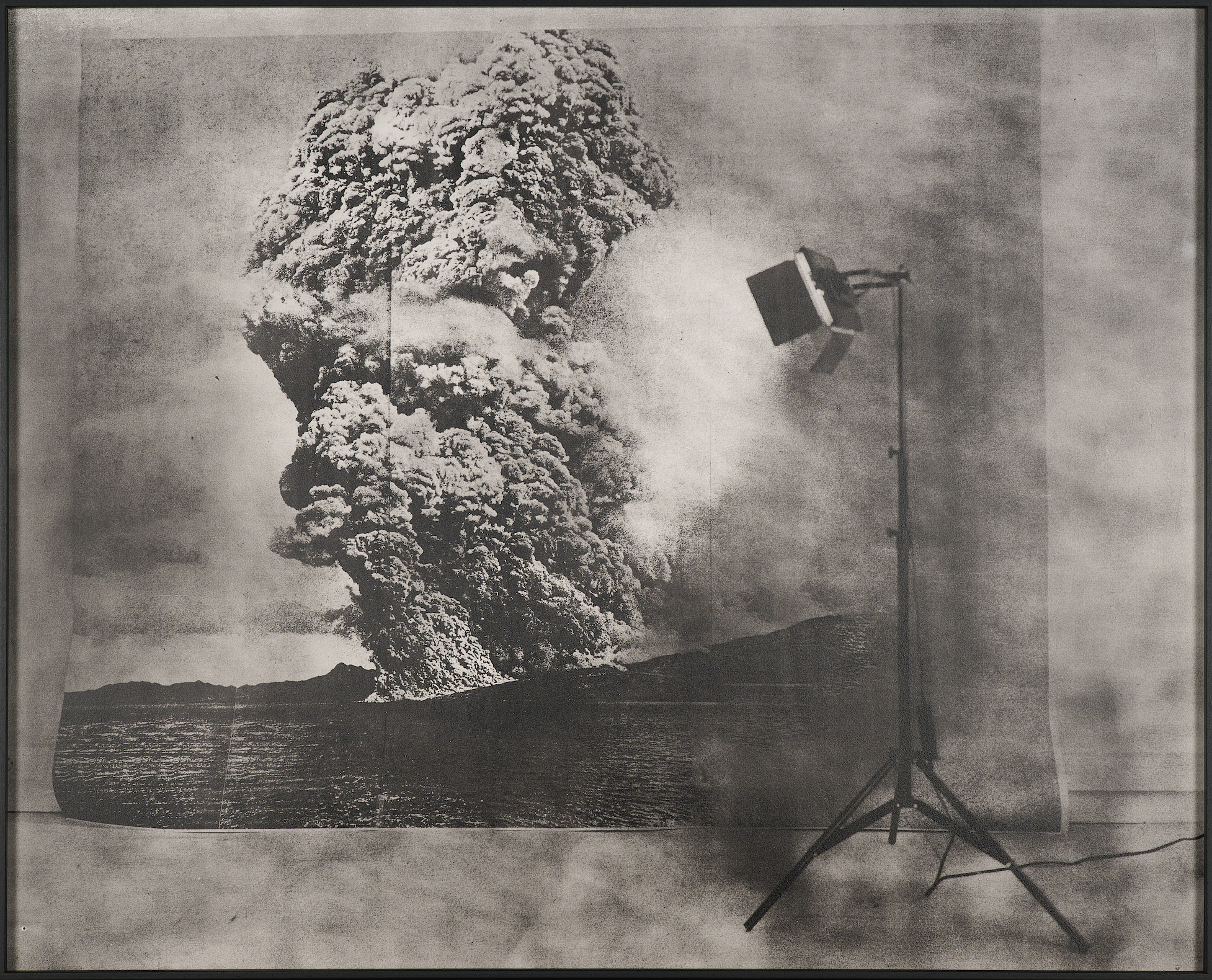
Laurent Millet stages miniature theatres in Les Nuées in which photography becomes a tool for exploring historical systems of knowledge and memory representation. Renaissance theatres inspire the artist, particularly the project of the Italian humanist Giulio Camillo (1480–1544). He conceived a memory theatre in the form of an amphitheatre designed for a single spectator, in which knowledge took the form of images arranged in space. Laurent Millet, in turn, constructs models (architectures, machines, scenes), which he then photographs.
-
His “laboratory theatres” also evoke ancient mnemonic principles, illusionistic devices from the 16th and 17th centuries, as well as the stage machinery imagined by the Swiss scenographer Adolphe Appia (1862–1928). By bringing these constructions closer to the earliest uses of photography, Laurent Millet imagines a tipping point: what if photography had served not to reproduce reality, but to document the Diorama workshop of Daguerre, even before the invention of modern photographic practice? Photography is thus considered as an extension of Daguerre’s illusionist stagings, still freed from its ambition of truthfulness, and becomes once again a critical instrument. Through these images, Laurent Millet questions the ways in which architectures of knowledge have shaped our relationship to the world. Between memory, pedagogy, and illusion, Les Nuées proposes a rereading of these theatrical cosmogonies, restoring their fragile and experimental nature, and reactivating their capacity to produce meaning.
Chrystel Mukeba (BE, 1983)
Radiographie de la mémoire, 2026
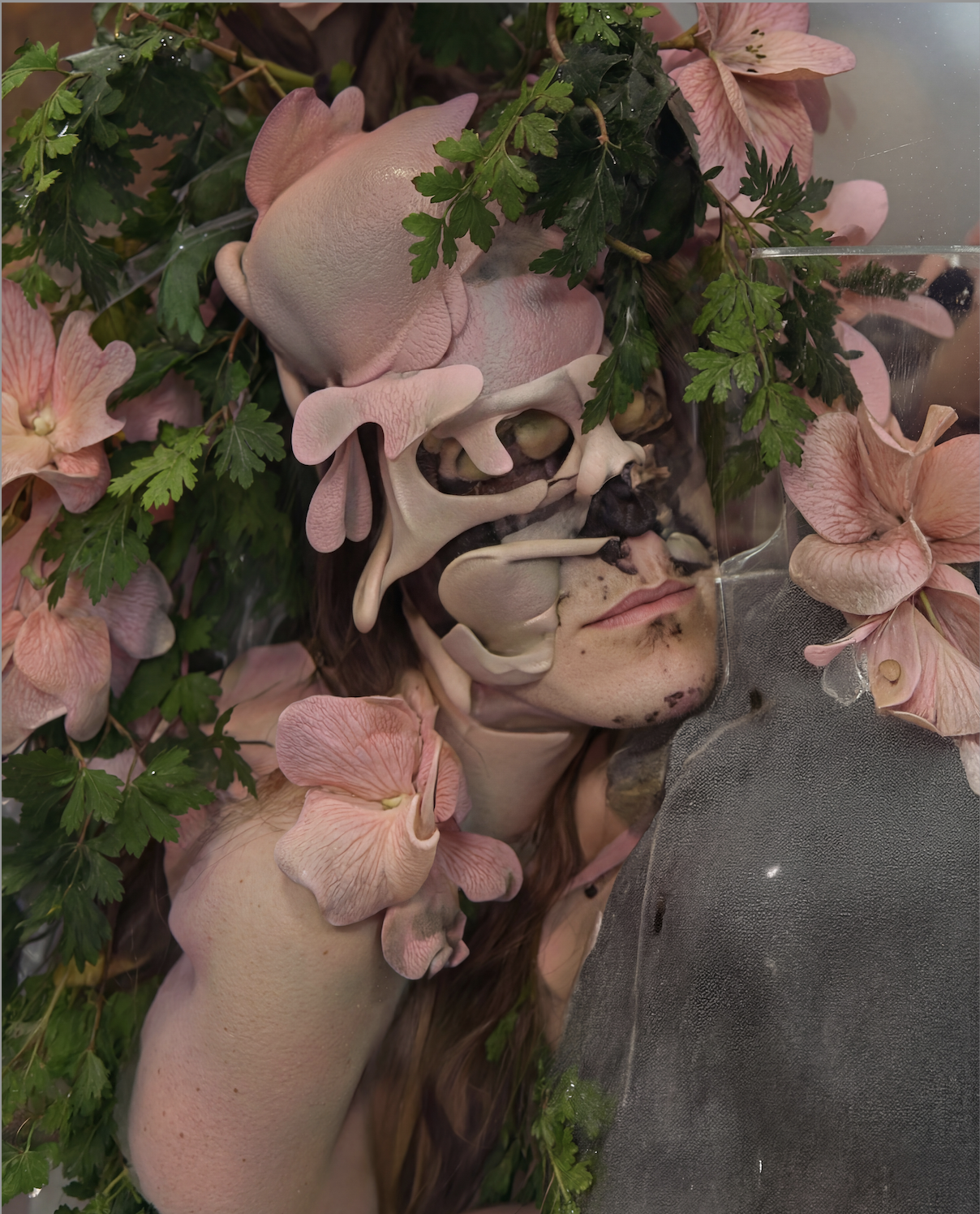
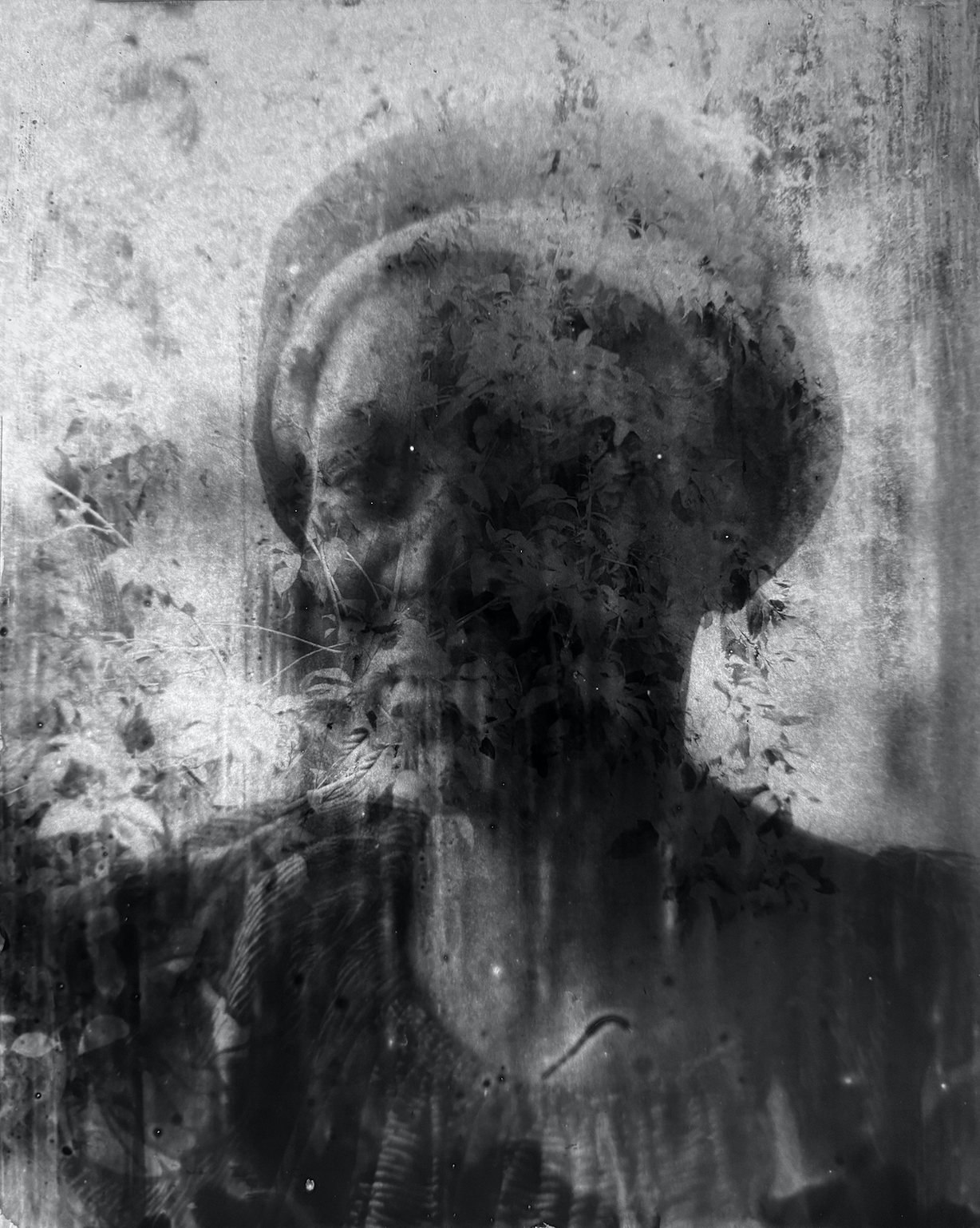
Radiographie de la mémoire reveals, through light, intimate landscapes, portraits, and fragments linked to exile, trauma, and transmission. Rooted in the story of her Congolese father, the work of Chrystel Mukeba is permeated by notions of exile and return, giving it a strong emotional resonance. Fragile and translucent silver gelatin glass plates become “radiographs” of memory. Through layering, they express the complexity of fragmented recollection, inviting the viewer into a deep, non-linear reading. For several years, Chrystel Mukeba has explored intimate, familial, and collective memory. She questions how memories are inscribed in bodies and landscapes, here, those of Kinshasa in the Democratic Republic of the Congo.
-
This project marks an evolution in her practice: the image is no longer a flat surface but a luminous, stratified material. By taking up a technique historically linked to science, the artist transforms it into the support of an intimate inquiry, extending her reflections on memory while opening a new path towards a photography-radiography.
Constance Nouvel (FR, 1985)
Script pour un film inversible, 2026
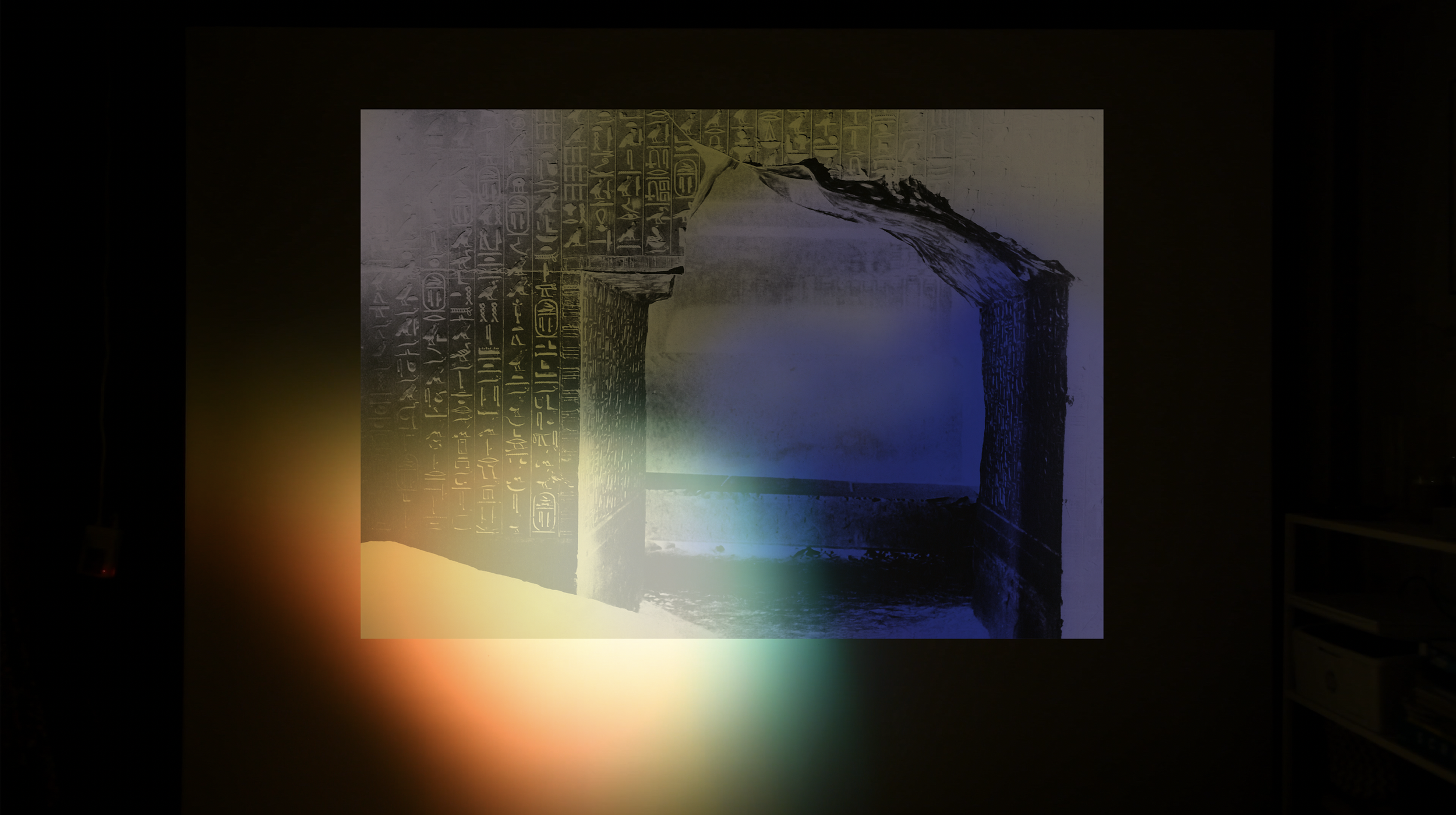
Script pour un film inversible is a cinematic work that inaugurates a wide-ranging research project exploring the possible connection between hieroglyphic writing and the photographic image. From her studio, Constance Nouvel traces a path between photography and Egyptology, where the notion of light is omnipresent. In a quest for emergence, the artist invites the viewer to gradually enter a world in which light brings images to the surface, while unfolding fragments of a conversation with an Egyptologist and hieroglyphics specialist at the Louvre.
-
Through a mise en abyme of the camera, she searches for the slightest beam emitted by projection and stages her own practice, alternating handwritten notes on a black background with the stages of the photographic slide process. Gradually, the meaning of the film unfolds through an anonymous archival document reproducing the interior of a pyramid of texts dating from the early 20th century and held at the Brooklyn Museum. Through the notion of writing, the world of signs appears as a vector of a reality turned into memory, which the voice can reactivate at any time. Whether related to the ancient Egyptian conception of the afterlife or to photography’s ability to preserve a lived moment, light continuously traverses these writings and images, where our existence is measured against the passage of time.
Baptiste Rabichon (FR, 1987)
Physique-Chimie, 2026
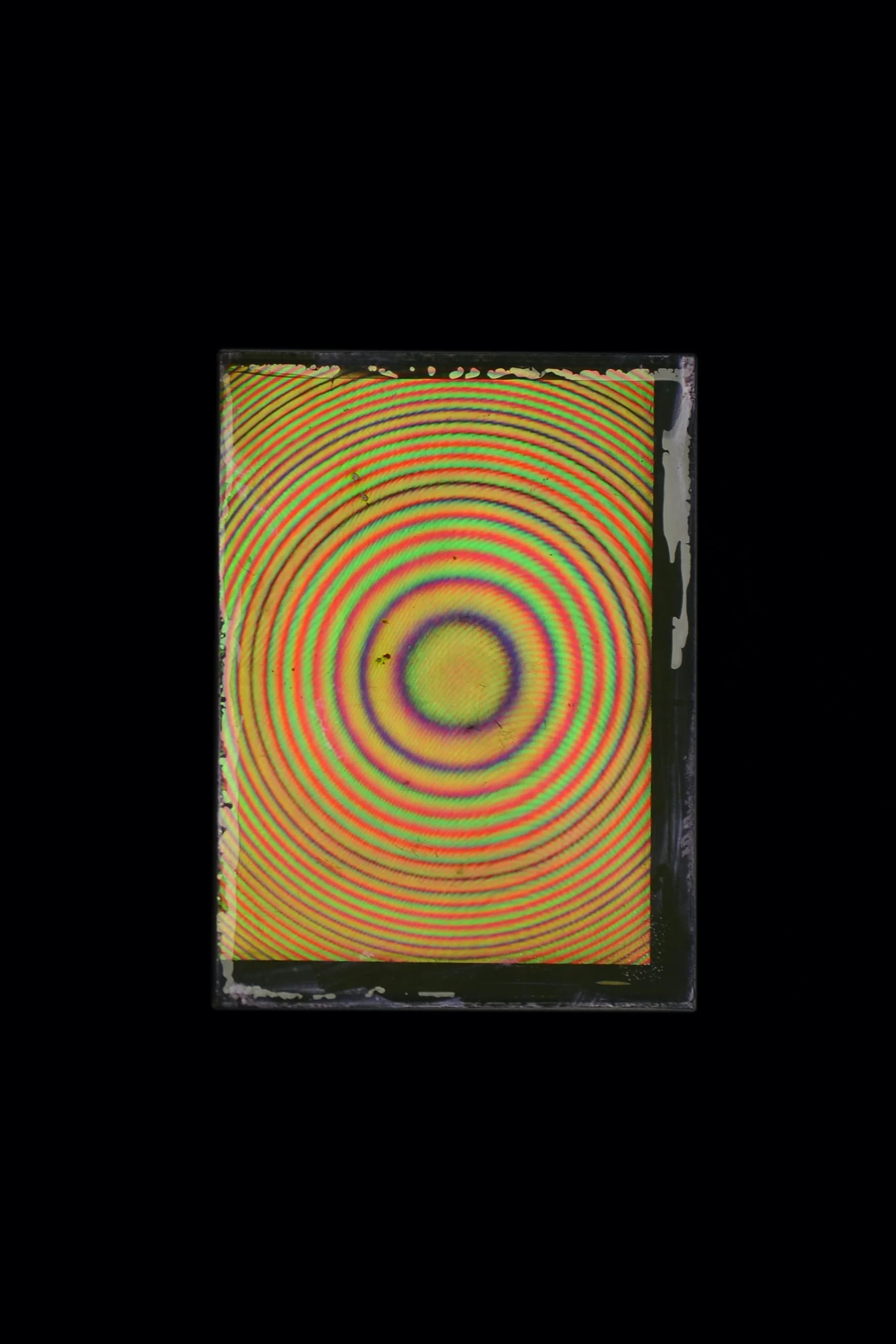
Physique-Chimie is a multifaceted project bringing together photographic prints (Les Apparitions tardives), chemigrams (La Nécessité intérieure), and a hologram (Le Divertissement). At the heart of the installation is Gabriel.le: a photographic feedback loop and a mise en abyme experiment composed of eleven interference photochromes on gelatin silver plates. Using the Lippmann process, Baptiste Rabichon photographs multiple interference patterns generated by various optical devices, such as mirrors and lenses, as well as by light sources including lasers and halogen lamps.
-
The Lippmann process, termed interference photochromy by its inventor Gabriel Lippmann (1845-1921) in 1891, is a photographic technique that remains, to this day, the only color photographic process that does not rely on dyes. A thin layer of gelatin containing silver halide crystals is placed between a glass plate and mercury, which acts as a mirror. Light passes through the glass plate and the photosensitive layer, reflects off the mercury, and then passes back through the sensitive layer. This back-and-forth path creates interference patterns that produce microscopic variations within the gelatin. After processing, this structure functions as an optical filter: when properly illuminated, it reproduces colors with remarkable fidelity. Through this process, Baptiste Rabichon captures in photograph the very essence of light –its wave-like nature.
Michel Slomka (FR, 1986)
Cosmopolitique du loup, 2025
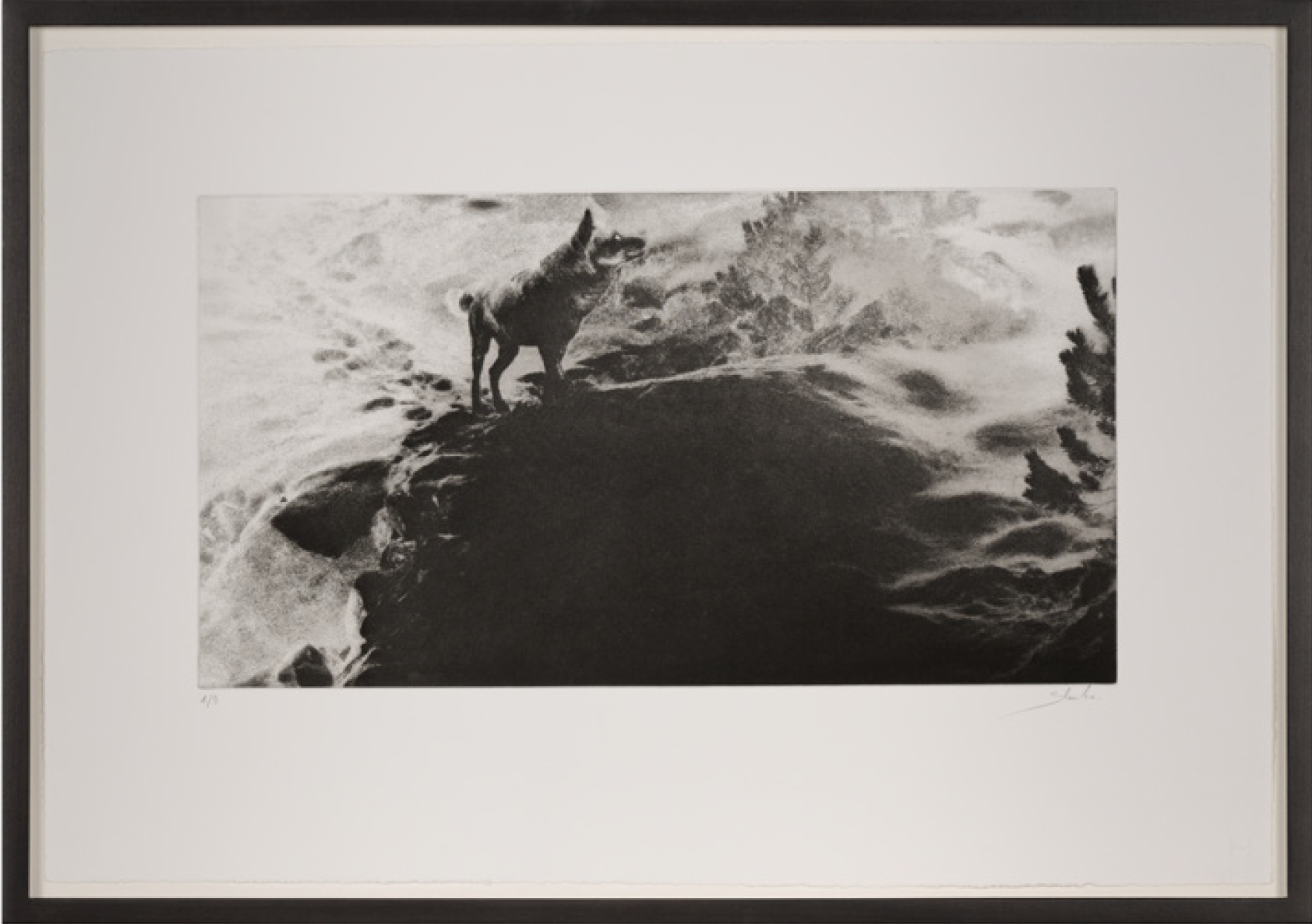
Cosmopolitique du Loup is the result of a year-long field campaign observing the ecosystem of this animal in a valley in Haute Maurienne (France). Michel Slomka produced nocturnal photographs there, inspired by the pioneers of camera trap and chronophotography in the 19th century, the American George Shiras (1859-1942) and the Englishman Eadweard Muybridge (1830-1904). The artist develops a visual language aimed at revealing animal territories and questioning the sharing of space between humans and non-humans, at a time when biotopes are collapsing under the pressure of anthropogenic activity.
-
The device relies on a constellation of camera traps distributed across different points in the valley, their positions evolving throughout the year according to the biological cycle of the wolf. Each field session, lasting approximately one week, is devoted to tracking and image analysis in order to adjust the protocol, while the intervals are dedicated to producing works and refining the technical system. Although this method, first initiated in 1888, has become widespread, it has also been impoverished over time: contemporary camera traps most often produce low-resolution digital images. Yet this “poor art” offers a decisive advantage: unlike the flash systems originally used, modern infrared devices have no impact on animals. Here, photographing implies a form of withdrawal: leaving the device to the forest and the wind, and relinquishing control over the moment of capture. The resulting images bear witness to the passage of living beings, elements, and seasons, revealing a space traversed as an entanglement of human and animal territories.
Stéphanie Solinas (FR, 1978)
Une sorte de bordel, 2026
Twelve West Coast Stations I
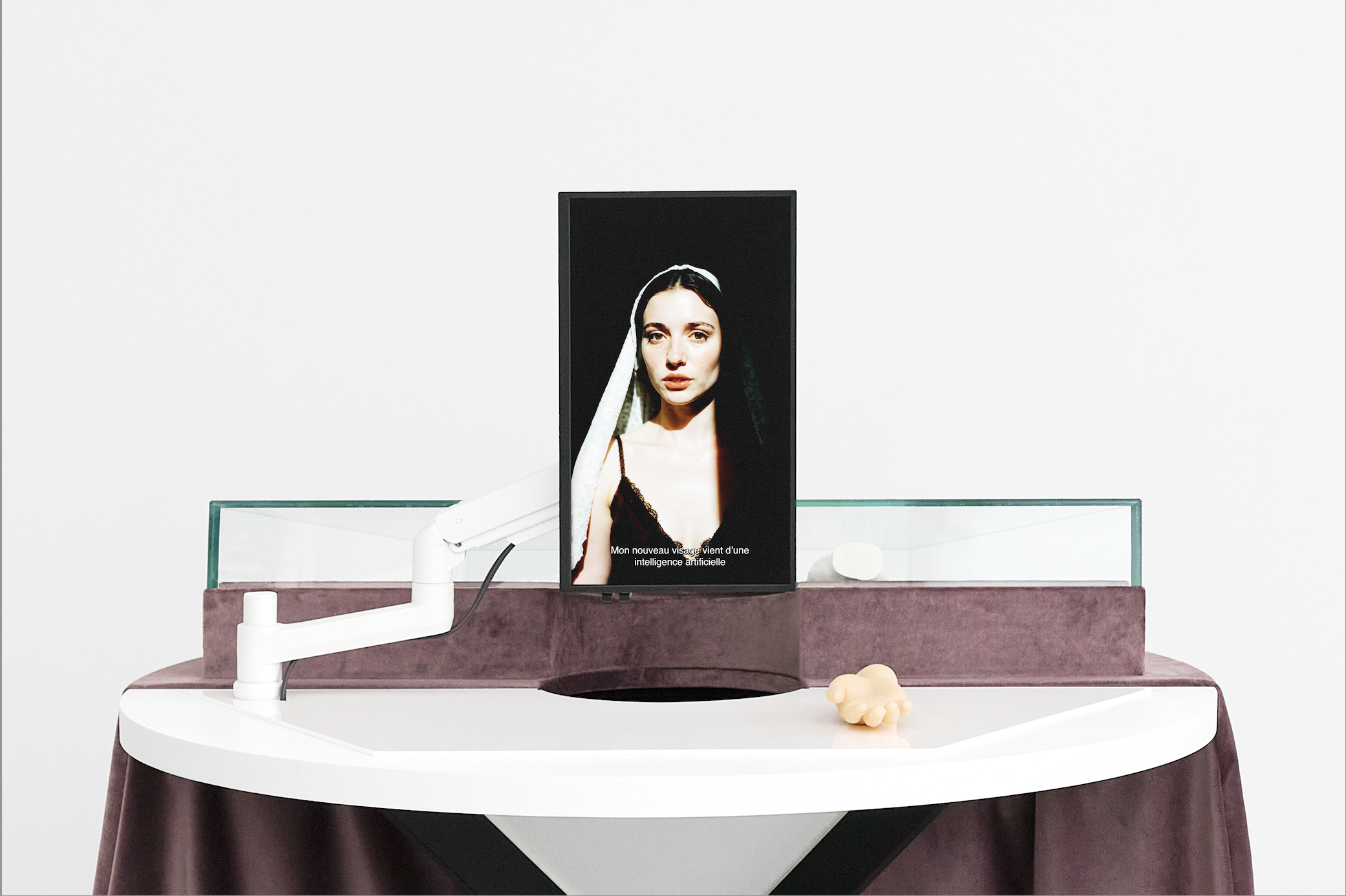
Une sorte de bordel is an encounter device designed to bring visitors into contact with eighteen anonymous portraits of young women from the nineteenth century, discovered by Stéphanie Solinas on the west coast of the United States. By deciphering these photographs using a range of tools – from mediumship to artificial intelligence (AI) – the artist creates a contemporary, animated lineage of these image’s pioneers, exploring the connections underlying these new representations. She transforms the eighteen 21st-century faces she has created into a sort of sisterly and literal embodiment of AI – its genealogy as well as the way it functions. Through these women with synthetic bodies who know neither love nor death, Stéphanie Solinas invites us to understand how images from the past shape our future.
-
Starting with photography – which allows navigation between past and present, between the visible and the invisible – and using mainstream AI that echoes the history of the photographic portrait, Une sorte de bordel draws a parallel between generations of images and generations of women. First, since the generative and predictive functions of algorithms are data-driven, AI outputs are necessarily born of the past. Furthermore, in the history of computing itself, the first computers were women – referred to as “human calculators” – and AI performance today remains dependent on an invisible, predominantly female workforce. Finally, the desire for hyper-availability that shapes AI models (designed to provide an immediate response 24 hours a day) resonates with the expectations frequently placed on women. A dual-input table called “fortune teller” invites users to activate, via a silicone touchpad, the narrative interface – a hybrid of a dating app, a game of chance, and a personalized oracle. It is accompanied on the wall by a “visitor”, a photograph of a potential face drawn from the latent space depicted at its center. From this matrix emerge voices and ghostly digital presences with somewhat imperious tendencies.
Marie Sommer (FR, 1984)
L’Archive Verticale, 2026
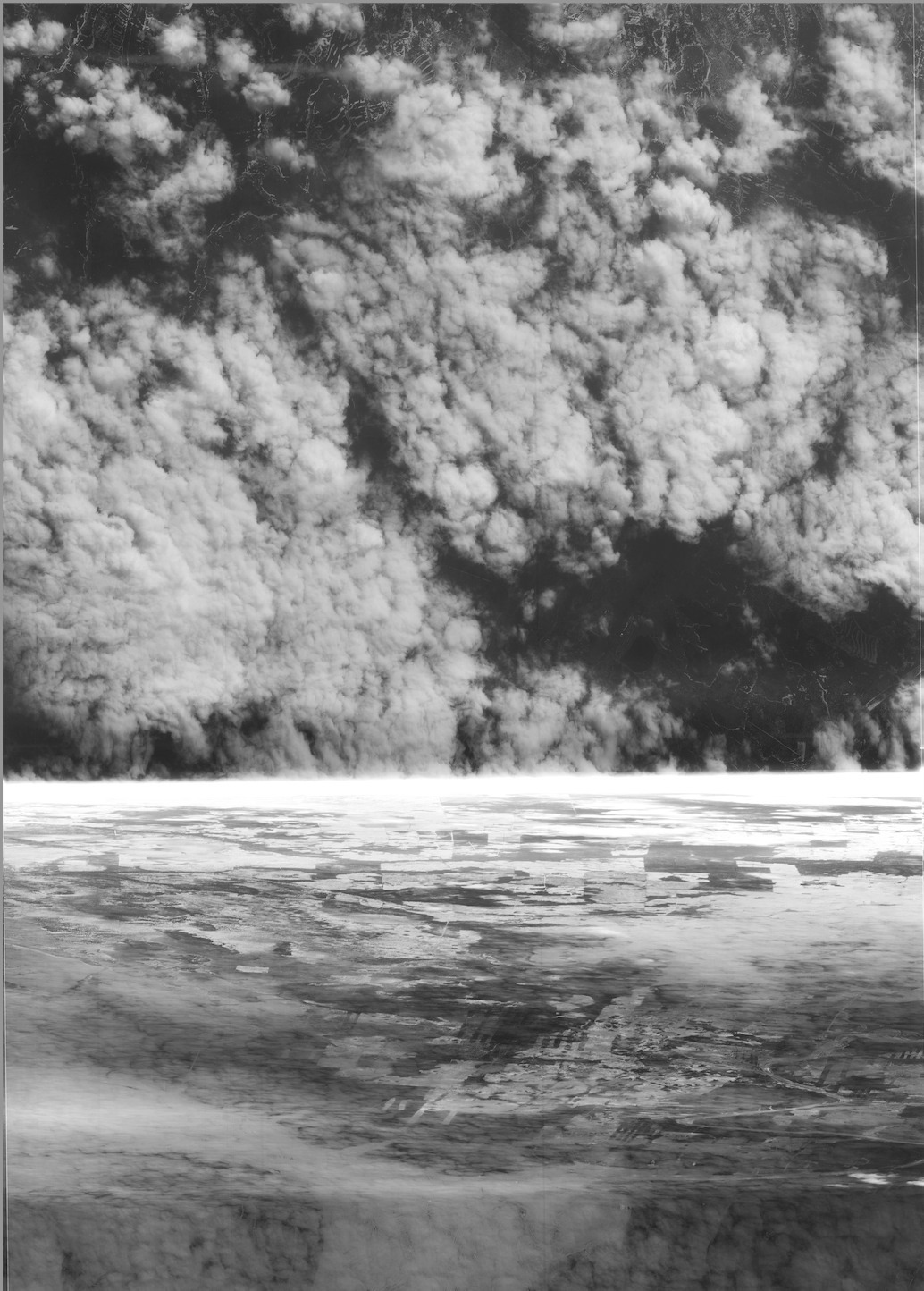
L’Archive Verticale proposes a re-examination of early analogue satellite photographs, based on archival materials that Marie Sommer extracts from various declassified surveillance collections since 2022, and reworks through new experimental display dispositifs. These “operational images”, as defined by film maker and scholar Harun Farocki (1944-2014), are produced by technical systems for operations rather than human perception. Deprived of any representational intent, these photographs belong to an automated chain of surveillance, calculation, or detection, and are not meant to be seen, but to be used. By exhuming these images and making them visible, the artist focuses on those that have partially failed in their operational function – due to glitches, atmospheric disturbances, or cloud cover.
-
These alterations reveal other modes of perception and expose the technical conditions of extraterrestrial image capture. Through their malfunction, these views shift attention toward the medium itself, its limits, and its conditions of production. This archival work thus produces both a form of contemplation and a critical reflection on these regimes of technical vision, inherited by contemporary systems of remote sensing and geolocation. As early as 1858, Nadar (1820-1910) produced the first aerial photographs from a tethered balloon, inaugurating a new perspective on territory. In 1920, Man Ray (1890-1976) created Élevage de poussière with Marcel Duchamp (1887-1968), an image depicting dust accumulated on Le Grand Verre, transforming a top-down view into an abstract landscape. Since these experiments, the point of view – initially anchored in the window of the french inventor Nicéphore Niépce – has gradually shifted toward the aerial, culminating in the “overview effect”, a particular sensation, sometimes described as a shift in consciousness, experienced by astronauts and cosmonauts when observing Earth from space for the first time.
Sébastien Van Malleghem (BE, 1986)
V, 2026 - ongoing
Through the project V, Sébastien Van Malleghem questions photography’s resistance in the face of artificial intelligence (AI)-driven animated images. The artist asserts photography as a trace of reality, while animation operates as a disturbing interpretation, producing a tension between anchoring and contemporary illusion. The project expresses a desire to inscribe the living within paper and to suspend the anxiety of a future dominated by artificially animated images. The series conveys a dark and hypersensitive state of mind toward reality.
-
Colour prints are set in dialogue with a video projection generated from photographs and sequences drawn from the real world. Where photography offers a space of calm and beauty, its animated double produces a sense of strangeness. The series emerges from a personal shift following more than two years of EMDR therapy (Eye Movement Desensitization and Reprocessing). The first images – taken nearly a decade earlier during morning walks in Los Angeles – resurface at this moment of transformation. After fifteen years of black-and-white documentary photography in Northern Europe, Sébastien Van Malleghem shifts his gaze toward colour and the South: Madeira, the Azores, then Belgium and wider Europe. Since then, he has photographed what moves him – a morning light, a red moon or a marked face – with a sensual palette and a deliberately free composition. The images oscillate between brutality and softness, while reflections on time, bodies, and the metamorphoses of the living emerge. This exploration distances him from his reflexes as a black-and-white photojournalist and leads him to reinvent his gaze.